Rule one: entries before anything else
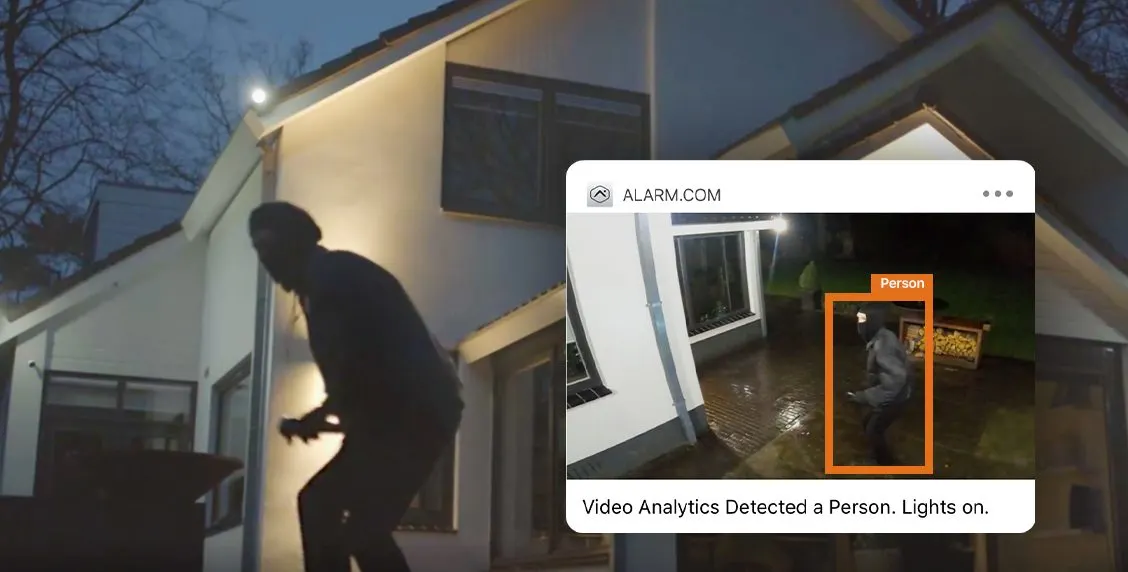
Every placement decision starts here. The doors and ground-floor windows are how people get in, so they get cameras before the pretty wide shot of the yard. If you only had budget for two cameras, they would go on the front and back doors, because that is where the footage you actually need gets captured.
The priority map
Work outward in this order. Front door first. Back door second, since it is the quiet, out-of-view entry burglars prefer. Then the garage and driveway, which cover vehicles and the most common approach. Then side gates, and finally a second-story angle if you have a low roof, a deck, or a balcony that could be reached.
Height and angle
Mount cameras about seven to ten feet off the ground and tilt them down toward the area you want to watch. That height keeps them out of easy reach and vandalism range while still capturing faces rather than the tops of heads. A camera mounted too high gives you a lovely view of everyone's hat and nothing you can identify them by.
The lighting mistakes that ruin footage
The most common reason footage is useless is light, not the camera. Do not point a camera straight at the rising or setting sun, or into a bright porch light, because the glare washes out everything in front of it. Check each camera's night-vision range too, since a camera that sees forty feet in daylight may only see fifteen in the dark.
Indoor cameras
Inside, cover the main entry and common areas like a hallway or the great room, which a burglar would have to cross. Skip bedrooms and bathrooms. Beyond being unnecessary, cameras in private spaces raise real privacy and legal issues, so keep them pointed at thresholds and shared areas.
A note on larger and commercial properties
A bigger property or a business follows the same logic with more ground to cover, and that is where overlapping angles and sometimes drones come in. If you are securing a commercial site, the placement thinking extends to docks, stockrooms, and the perimeter, which we handle through commercial camera systems.
Common mistakes that leave gaps
Watch for the usual ones: cameras aimed too high, a front-door camera that misses the walk-up, nothing on the back of the house, and a reliance on one wide shot that is too far from everything to be useful. Fixing these costs nothing but a ladder and ten minutes of thought.
Frequently asked questions
How high should security cameras be mounted?
Seven to ten feet is the sweet spot: out of reach, but low enough to capture faces rather than the tops of heads.
Should cameras be visible or hidden?
Visible, for deterrence. A camera no one can see only helps after the fact.
Where should you not put cameras?
Not in bathrooms or bedrooms, and not pointed at a neighbor's property. Respect privacy and the law.