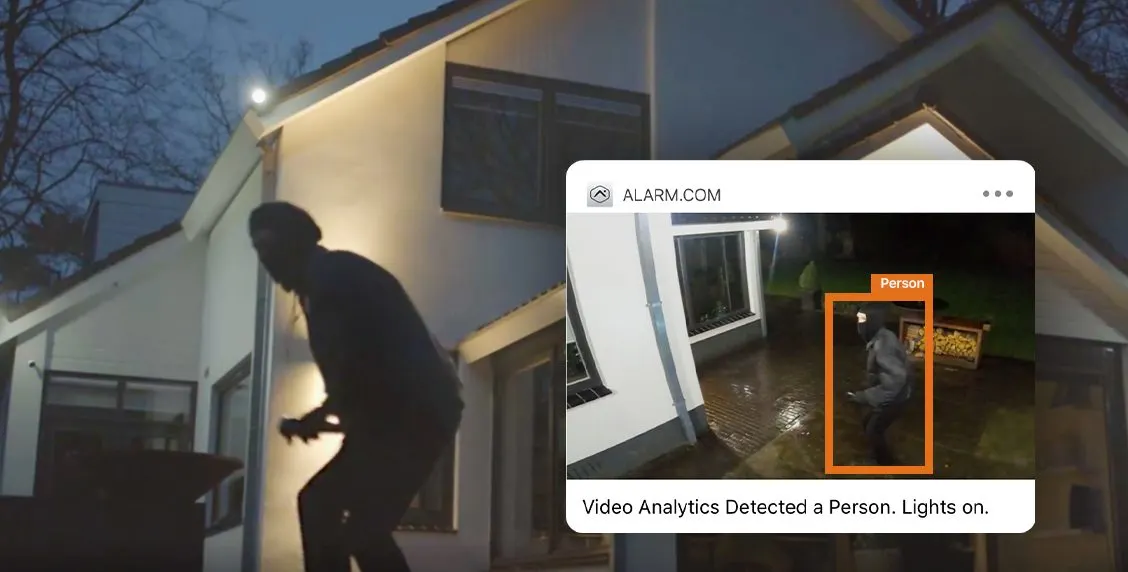
Step one: the signal sends
It starts the instant a sensor is triggered, a door contact, a motion detector, a glass-break or smoke sensor. The panel immediately transmits a signal to the monitoring station, typically over a cellular connection so it works even if the internet or phone line is down. This part happens in seconds and does not depend on you noticing anything.
Step two: verification
An operator at the station receives the signal and verifies it before anyone is dispatched. Usually that means trying to reach you, by call or through the app, and asking for your passcode. Verification is what filters out the false alarms, a pet, a stuck door, a wrong code, so that police and firefighters are not sent to a non-event. It is also why monitored systems are taken more seriously than unverified ones.
Step three: dispatch
If the alarm is real, or cannot be cleared, the operator dispatches the right responder: police for an intrusion, the fire department for smoke or heat, and, where it fits, one of our own armed patrol officers. Because the station is local, the operator already knows the address and the area and can give responders accurate information instead of reading it off a map for the first time.
Step four: response and follow-up
Help is on the way, and the station stays with it, relaying information and keeping you informed. Afterward, you have a record of exactly what happened and when, which is useful for police reports and insurance.
Why local makes it faster
Verification happens in seconds anywhere, but everything after that benefits from local knowledge. A local operator is not routing your emergency through a national queue or learning your city on the fly, and because Allstate runs its own monitoring station and its own patrol, the pieces move as one system instead of a handoff between vendors. Seconds are the whole game in an alarm, and local is where you save them.
Frequently asked questions
How fast is alarm response?
Verification happens in seconds. Dispatch speed then depends on the responder, which is why local monitoring and our own patrol help.
What if it is a false alarm?
The operator verifies first, which is how most false alarms are caught before anyone is dispatched.
Do you call me first or the police?
Usually we verify with you first, unless the situation calls for immediate dispatch.